The Apogee Results Blog
PPC Agency The Woodlands
We are a PPC agency now serving The Woodlands. We have outlasted other agencies because we take our fiduciary responsibility seriously. We are excited to now be partnering with companies in The Woodlands that want to grow their revenue through paid media. The...

PPC Consultancy
A PPC consultancy offers professional advice to companies seeking to maximize return on investment for paid media. We currently have two full time consultants on our PPC consultation team. We became a PPC consultancy in Texas 20 years ago. Respected companies...
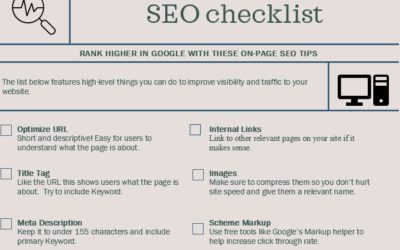
An Austin TX Search Engine Optimization Company
Apogee Results is an Austin TX search engine optimization agency that has been providing SEO services for 20 years. We enjoy the coffee shops. We enjoy the Town Lake trail. We enjoy music. We enjoy the outdoors. We enjoy Austin culture. Austin has mostly boomed over...
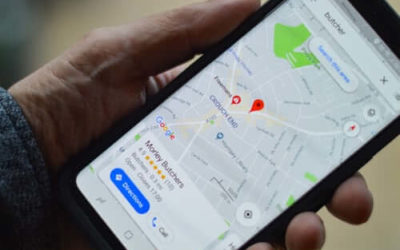
Local SEO Company in Katy
We are a SEO company working in Katy. Katy is a great place to start a business! The area has excellent parks and community organizations. Katy ISD is one of the best school districts in Texas. Katy is one of the fastest growing cities in Texas. We started offering...
Local SEO Services in Sugar Land
We are now offering local SEO services in Sugar Land. We are excited about being a part of the growth of small and medium sized businesses in Sugar Land. Apogee has been offering its services primarily in the Austin area for the last 20 years. Now we are bringing our...

The Woodlands SEO Consultant
Meet Daniel Spenrath, our SEO consultant in The Woodlands. Daniel Spenrath was raised in Texas and graduated from Texas A&M with a Computer Science degree. Daniel has worked with many businesses including construction, law, pet care, manufacturing, training,...

What is EAT SEO? | Alternative 3 Pillars of SEO
What is E.A.T SEO? Search engine optimization is a nebulous element, with many twists and turns. While you can’t yet clearly define all the elements of SEO, the concept of EAT SEO has developed based on Google’s Search Quality Rater guidelines. EAT stands for...

What is Off Page SEO? | Types of Off Page Links
What is Off Page SEO? “Off-page SEO” is a broad and complex meshwork of all SEO tactics at work, outside your webpage. While most readers will make the logical leap to link building, in reality, the process is far more complicated. Off page SEO uses...

What is On Page SEO? | Types of SEO Content | Apogee Results
What is On Page SEO? On-page SEO involves the process of optimizing web page content with the goal of ranking higher on relevant search engines like Google. As you might imagine, the term “on-page” refers to any content and HTML source code that can be adjusted...

What is Technical SEO? | Technical SEO Checklist
What is Technical SEO? Most people don’t know that the first search engine page alone accounts for 67.60% of all clicks. Technical Search Engine Optimization (SEO) is the process of optimizing all website technology, to increase the ranking of pages on various...

3 Pillars of Search Engine Optimization
3 Pillars of SEO: How to Get Found on Search Search engine optimization, otherwise known as SEO, drives traffic to your website, enhances user experience, and is instrumental in generating qualified leads, all by obtaining search engine result prominence. While this...

Facebook Marketing Strategies
Social Media Strategy: Facebook Marketing Tips Social platforms and technology are constantly evolving so it can be frustrating trying to keep your social media strategy up to date. Facebook marketing is not just about showcasing visually appealing content. It’s...
5 UX Best Practices that Benefit SEO Rankings
5 UX Best Practices that Benefit SEO Rankings User experience is a crucial component of your site’s design and marketing strategy that is often overlooked. UX impacts every aspect of your marketing campaign: from acquisition to conversion, particularly as it...
Lower your Cost Per Acquistion
Why Having Control Over Your Audience In Google Ads Is Important Nowadays it’s impossible to hang up a call with a Google Ads rep without being pushed toward some form of automated bidding. While there have been advancements with these various strategies, fully...

Marketing Knows No Borders
Digital Marketing Knows No Borders: Digital Marketing in China In February of 2020, I found myself, along with many other China-based expats and Chinese tourists, returning to the epicentre of the COVID-19 pandemic. As I boarded a plane in Oslo, bound for Hong Kong –...

Why is SEO a Long-term Strategy and Is it Worth the Investment?
Why is SEO a Long-Term Strategy? This piece will be divided into three main reasons why SEO is a long-term strategy: constantly changing market, new competitors, and google/search engine updates. This piece concludes with client data showing why...
Link Building a Longterm Strategy
How Link-Building is Crucial to Jump-Starting New Websites Backlinks are a vital part of how the Google algorithm determines your rankings.These links send signals that help search engines determine how trustworthy your content is and what keywords are associated with...

Do You Understand Your Industry
Legends of Marketing Series by Gary Hoover Do You Understand Your Industry? I have spent the last several years advising perhaps a thousand entrepreneurs and corporate executives on how to develop their strategies and grow their business. These...

Local SEO Strategies
When done well, a strong local SEO strategy will generate traffic and help your business compete with big brands. Knowing this we decided to team up with Jesse Mcdonald, a fellow SEO from Austin who works with IBMs global SEO team shares his insights during a podcast interview with hosts Michelle Stinson Ross and Robert O’Haver on Search Talk Live.
Lessons from the Retail Apocalypse
Legends of Marketing Series by Gary Hoover Lessons from the Retail Apocalypse As a student of retail trends and strategies for over 50 years, I believe true understanding of the rise and fall of companies requires a look at each company and industry...

How to Make a Strong Digital Start in 2020
Fast Out of the Gate: How to Make a Strong Digital Start in 2020 by Chris Glazer When I was in business school, I was introduced to many impactful minds of past and present business leaders. Somehow, the quote that stuck the most is from perhaps the oldest modern...

Cutting through the Clutter: Reaching Your Prospects Online During the Holidays
Cutting through the Clutter: Reaching Your Prospects Online During the Holidays by Lena Sidhu The holiday season is upon us. Black Friday, Cyber Monday, fall clearances, winter specials, end of year liquidations, and so many more names are given to the various sales...

2019 Award Winning Agency
2019 Award Winning Work by Michelle Stinson Ross During the fall conference season, Apogee Results was honored with the recognition of our industry peers for a sample of the work we do all year long for our clients. On October 9, 2019 the outstanding local...

8 Common Ways Your Agency Is Mishandling Your Ad Dollars
8 Common Ways Your Agency Is Mishandling Your Ad Dollars by Patrick Dunn It’s no secret that the world of Paid Media Marketing is growing faster than ever. This is especially notable within everyone’s favorite necessity, Google Ads. With all the platform changes and...
Influencer Marketing: The Next Big Thing
Influencer Marketing: The Next Big Thing by Lena Schulz Webcology takes a deeper look at the ecosystem of the internet as it affects webmasters and web marketers. Host Jim Hedger talks with Apogee Results head of marketing Michelle Stinson Ross about the past, present...

Apogee Results Honored in 2019
Apogee Results Honored in 2019 US Search Awards The US Search Awards is regarded as the premiere celebration of SEO, PPC and content marketing in the US and celebrates and rewards the expertise, talent and achievements of the search industry. Launched in October of...
Humanizing Your Business
Legends of Marketing Series by Gary Hoover Humanizing Your Business The Internet can be an impersonal world. As much as we love Amazon and eBay and know that somewhere behind those facades are real workers and real sellers, the customer experience can...

The Power of Cross-Promotion
Legends of Marketing Series by Gary Hoover The Power of Cross-Promotion The idea of working with other companies to build your sales has been around a long time in many situations. Most of my life has been in retailing. My friends and I built the first...

Launching a Growth-Ready Business
Launching a Growth-Ready Business by Kyle Nations Bill Leake, founder and CEO of Apogee Results, joins the conversation on the Angel Investor’s Network podcast with host Laura Rubinstein, of Social Buzz Club. During this episode of the podcast, Bill shares his...

Splashing Outside the Digital Box
Legends of Marketing Series by Gary Hoover Splashing Outside the Digital Box Today’s marketers and retailers, online and off, face more competition for the customer’s attention than at any time in history. Those customers may spend record amounts of time on...

2018 Award Winning Work
2018 Award Winning Work by Michelle Stinson Ross During the fall conference season, Apogee Results was honored with the recognition of our industry peers for a sample of the work we do all year long for our clients. In October of 2018 the fully integrated work we do...
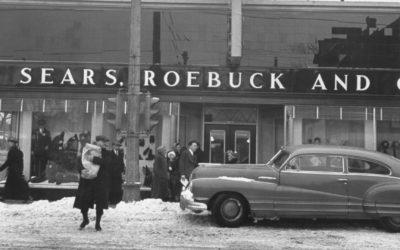
The Marketing Lessons of Sears, Roebuck
Legends of Marketing Series by Gary Hoover The Marketing Lessons of Sears, Roebuck For 60 years, Sears was the largest general merchandise retailer in the world, the most profitable retailer, and the most feared by competitors. In October 2018, this once-great...

7 Texas Businesses That Crush Their Marketing Strategy
by Patrick Foster 7 Texas Businesses That Crush Their Marketing Strategies As the old phrase goes, everything is bigger in Texas, and that’s particularly true when it comes to Texan businesses. The Lone Star State is home to some of America’s largest...

Apogee Results Nominated for Several Industry Awards
Apogee Results Nominated for Several Industry Awards US Search Awards The US Search Awards is regarded as the premiere celebration of SEO, PPC and content marketing in the US and celebrates and rewards the expertise, talent and achievements of the search industry....

Launching a Product, Changing the World: 1964
Legends of Marketing Series by Gary Hoover Launching a Product, Changing the World: 1964 It is April 7, 1964. One hundred thousand businesspeople gather in 165 the company’s offices across America to hear the news. That morning at 8:30 AM, a chartered train...
Gary Hoover: Legends of Marketing
Gary Hoover: Legends of Marketing We are so pleased to announce a collaborative education partnership with entrepreneur and business historian, Gary Hoover. Gary blends a passion for the historical study of leadership with an engaging talent for storytelling. In this...
6 Tips for SEO-Friendly Content
In latest years, Google has emphasized the importance high-quality content. Google has published a couple of guidelines to help guide developers to write better documentation. While that might be a good way to get some clues, let’s make things simple and dive into a...
AdWords Overdelivery? More Like AdWords Overreach
The latest notice in a series of troubling announcements that form a trend of control over our AdWords accounts being wrested away in favor of automation popped up in our MCC today. Before, AdWords could potentially spend up to 20% past your daily budget cap...
iOS 11: Bing vs. Google
The Newest iOS Update – Why do marketers care? Earlier this week, Apple released the iOS 11 update. Following their recent keynote and the corresponding hullabaloo around the new Apple watch, iPhone 8, and iPhone X releases – this software update largely went...
Use ‘Em If You Got ‘Em – Registered Trademarks
One of the biggest challenges for clients who are in hyper-competitive spaces is standing out amongst their competition. Especially when these competitors are selling similar or in many cases, the same products. In ad copy testing, there are often conflicting metrics...
Top 5 Ways To Win in Voice Search
OK, Google: What are the top five ways digital marketers can prepare for the voice search takeover? For years now one of the trendiest, and simultaneously most inconclusive, topics among digital marketers has been the ground-breaking shift from traditional to...
The End of Digital Advertising
It’s ‘the End of Digital Advertising as We Know It’ – and I feel fine. Well, this is it – it’s the end of digital advertising as we know it. And, quite frankly, I feel just fine about it. Data suggests Procter & Gamble and Unilever...
Is SEO a Good Investment for Your Small Business?
In our blog post, SEO Tips for Small Businesses, we addressed the importance of developing your SEO strategy for your small business and provided tips to help get you started. Today I want to discuss the next big question every small business owner asks: is SEO a good...
SEO Tips for Small Business
The term SEO, or “Search Engine Optimization,” is likely to produce a glazed-over look for a lot of people who just don’t know what you are talking about, but if you have a business or are thinking of developing a business, this is a term you need to know. SEO is a...
Putting Out Fires—Is Your Company Prepared for a Social Media Crisis?
With nearly three billion internet users worldwide, internet users today spend more time on social media than on any other site. A study conducted in July of 2014 showed that Facebook alone has over 1.3 billion active accounts, while Google+ and Linkedin both listed...
How to Recover from a Google Backlinks Penalty – Webinar Archive
Did you know that Google gives over 400,000 penalties every month? Your site could be next. Check out this webinar if you have a penalty, or if you’d like to make sure to avoid a penalty in the future. Josh Butler, SEO Manager with Apogee Results, covers how you...
Wildfires Rage In Central Texas
As you may or may not have heard by now, there are some pretty serious wildfires going on around our beautiful city. While no one at Apogee has been directly affected by any of the fires, our hearts still go out to those who have lost their homes, livestock, pets,...
Post-Holiday PPC Clean Up
Ahhh, holidays. I’m guessing that about 50% of the country is hung over this chilly Monday morning due to either romantic champagne & wine with a loved one, or contrary tequila shots & beer with friends or the TV. As you try to shake off the after-effects...
Your Site Needs an Espresso Shot
During PubCon Vegas 2009, Matt Cutts hinted that Google will start considering page load time in their organic search ranking algorithm in 2010. Google already factors the time the pages on your site take to populate into its quality score, a metric used for Pay Per...
Nonprofit SEO Recommendations: Liberty Hill Foundation
In this week’s edition of SEO Odds & Ends, I’m shifting gears into the nonprofit SEO space. I came acrossLiberty Hill Foundation’s website and found their slogan to be impressive–”30 Years of Change, Not Charity.” As a fan of participating in change instead of...